From the Magazine

Siloé is one of the most stigmatized neighborhoods in Cali, Colombia. It developed to house coal mine workers and became known for violence and poverty. Conflicts between armed groups left lasting wounds, and the neighborhood still lacks public services.

Often described as “close to heaven” for its mountain views, Siloé is also home to the Church of the Nazarene, born out of the violence experienced by the local pastor's family.

More than four years after Russia invaded Ukraine, the war continues. Reports of violence on the fronts, drone attacks, or political moves at play have become a daily feature. When an invasion like this occurs, there is often the early and earnest hope for a quick resolution and swift withdrawal of armies from one another. But as time marches on, hope can be harder and harder to find.

It’s Saturday morning in Moncalieri, Italy, and the Church of the Nazarene’s building is bustling with energy in this town situated at the foothills of the picturesque Italian Alps. The aroma of coffee brewing brings smiles to many faces as Pastor Matteo Ricciardi visits with neighbors and the church’s food distribution program participants out front, in the place that has become a gathering space for the neighborhood in recent years.

“Addiction is not just a habit—it’s a wound. We use God’s Word to heal those wounds.”

Pastor Puje has years of experience that prove the truth of his statement. Since coming to faith in 1993, Puje has served the most marginalized in his community of Ulaanbaatar, Mongolia.

For ten years, he ministered in prisons, bringing the gospel, counseling inmates, and advocating for those society had discarded. After two years of theological study in the United States, he returned home with a renewed vision.

Myanmar has faced near-constant conflicts since 1948, when it achieved independence from Great Britain. The country has alternated between civilian and military rule, with the most recent coup in 2021 cementing the current regime’s control. Christians, along with other religious minorities, face discrimination, while ethnic groups like the Rohingya continue to suffer violent persecution.

"We don't know how fast things are changing or where to turn for help." 

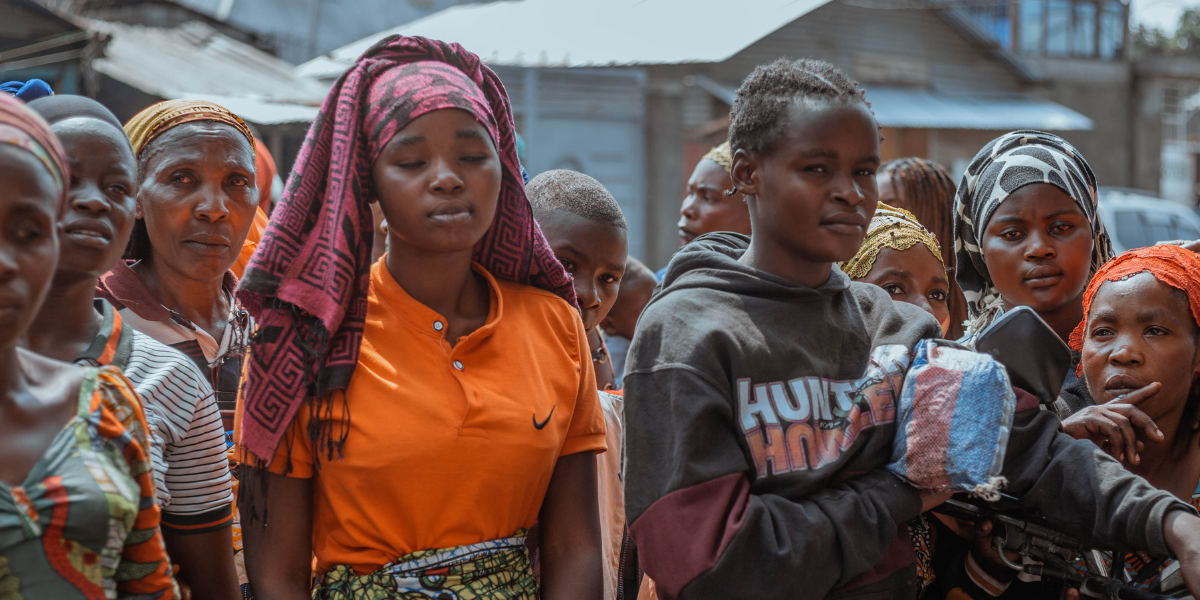
The local pastor who shared this reality is just one of many clergy members in the eastern provinces of the Democrat Republic of the Congo impacted by an ongoing, immense humanitarian crisis.


Women in the DRC


In Armenia, the local Kids Club has been a place of growth, support, and faith since 2004. The program meets in the church building each week and serves 45 children between the ages of 6 and 18, reaching a total of 70 families—225 people in the community.

More than just an after-school gathering, the Kids Club provides clothing, school supplies, hygiene items, food, and even medical support to children and their families. Camps, home visits, and a variety of weekly activities are also part of the program.


God’s plans extend beyond what we can imagine, realize, or hope for. In this sense, trying to understand God’s way in the world feels like a mystery, even an impossibility. Yet embracing God’s plans is what it means to have faith in God’s transformation of our world. We face an impossible task, made possible in Christ. Even when faithful actions seem senseless by the world’s standards, we are still called to put our trust in God.

In May 2024, the arrival of refugees in rural Ireland did not go unnoticed. Tent shelters appeared almost overnight, and with them came a wave of uncertainty—questions about safety, identity, and what this change might mean for the community. As protests grew louder and tensions rose, members of a small local church found themselves confronting a deeper question: if people seeking refuge showed up at their door, how would they respond?


January 12, 2020, will forever be etched in the memories of the residents of Batangas province in the Philippines. Taal Volcano, a picturesque natural wonder surrounded by a serene lake and a favorite tourist attraction, transformed from a tranquil beauty into a source of unimaginable destruction. The volcano, known for its deceptive calm, had been silently building pressure. And on that fateful day, it erupted with brutal force.