May 28, 2026 ~ Amy Heckman
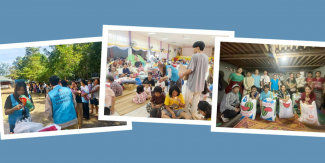
In Rwanda, a church-led food security project is empowering 700 vulnerable families, helping them grow fruits and vegetables and raise small livestock. These farming activities have a major impact, improving malnutrition rates and giving families options for earning additional income.
Local Nazarene churches have served as the main point of community engagement. Churches helped spread the word about the project and encouraged their members to participate. Pastors and church leaders helped select project participants, and faith is woven into the project’s activities, reinforcing the church’s role in holistic care and spiritual guidance.
The families chosen for the project come from communities where poverty is common. Many are involved who lack housing and job stability. Some can afford basic shelter, but the cost of buying enough food is prohibitive. This focusing on families with documented needs ensured the project would have the greatest impact.
Mukashyaka, a 39-year-old mother, and her four children were invited to participate in the project. Life was not easy for their family. In Mukashyaka’s village, she had little space to grow food, and the soil was tired, depleted of nutrients and not ideal for planting. She wasn’t growing enough to feed her children, and they began to show signs of malnutrition and slowed growth.
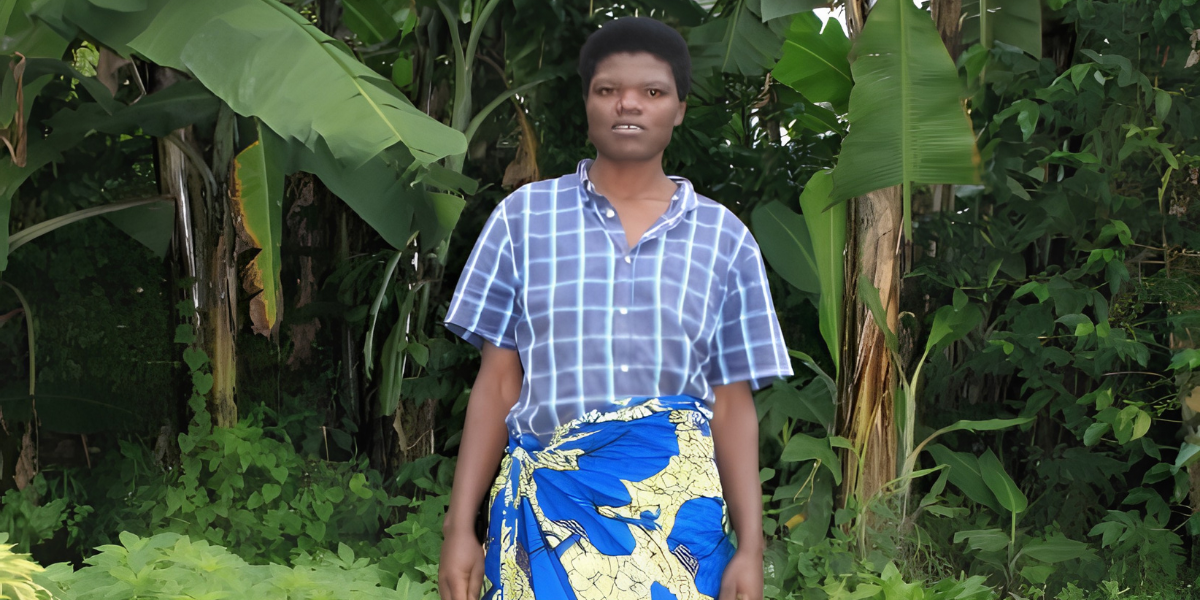
“I felt helpless,” she remembered. “As a mother, not being able to feed your children is the greatest pain.”
Things began to change when a neighbor invited her to attend a project training class at their local Nazarene church. She was hesitant, but decided to attend.
Mukashyaka and other participants were invited to join not just one, but a series of holistic training sessions.
They attended nutrition education workshops, raising awareness about the importance of including fruits and vegetables in their diets. From topics like how nutrition impacts overall health to learning how to prepare balanced meals with locally available produce, families were empowered to make changes with lifelong benefits.
Project leaders set up additional sessions facilitated by a local pastor who also serves as an agronomist (an expert in soil management and crop production). Mukashyaka learned about irrigation, pest management, crop rotation cycles, the nutrients different crops require, ideal planting calendars, and other helpful topics.
“I realized that even a small [plot of] land can feed a family if used wisely,” she said.
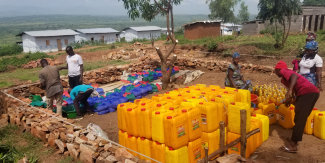
Distributions of seeds, fertilizers, and pesticides set all 700 households up for farming success. Some families received large watering cans to make it easier to nurture their new fruits and vegetables.
The project leaders divided the participants into groups of 25 and gave each group five pigs. The group's members are jointly responsible for the pigs’ health and care. When piglets are born, they are divided among the group members. Over time, this ensures that every family ends up with their own livestock to continue raising. The pigs are insured so that, should injury or illness occur, an animal can be replaced without cost to the families. Animal husbandry techniques are taught to all groups.
When Mukashyaka received a pig, it boosted her family’s chances for future success. Today, home tells a different story than a few months ago.
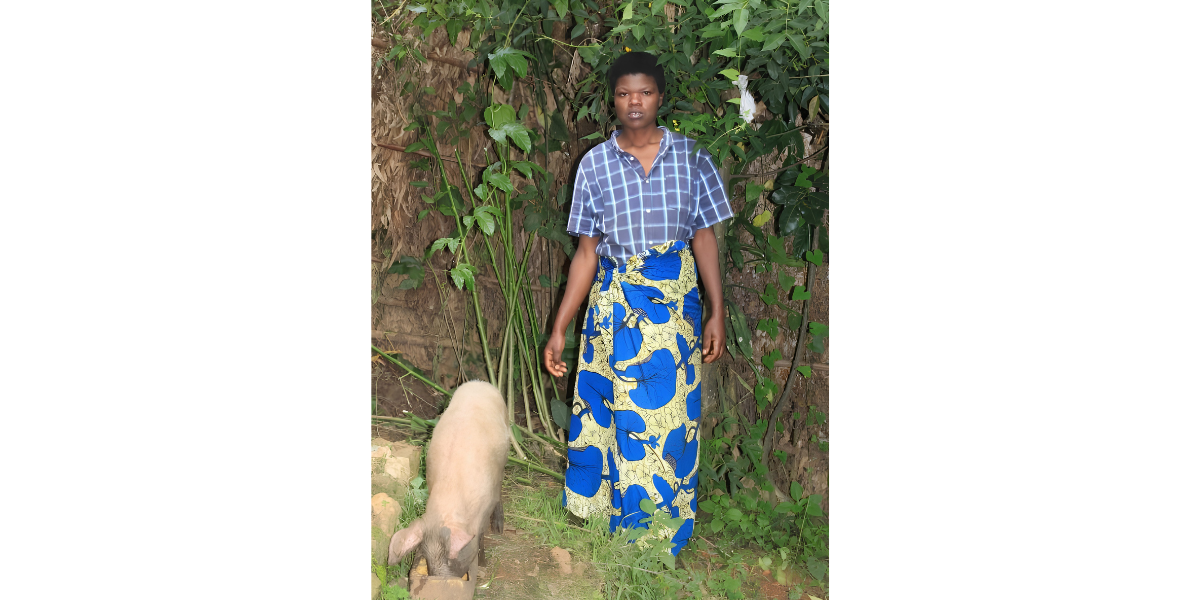
Behind her house, a vibrant kitchen garden is flourishing. Rows of vegetables grow strong and green in her garden, nourished by organic manure from their pig. What was once barren land now produces enough to feed her family daily.
“My children now eat vegetables every day,” she said with a smile. “Their health has improved, and I can see the difference.”
The impact goes beyond food. When her pig gave birth, she shared the offspring with a neighbor, continuing a cycle of generosity and community support. The remaining pigs have become a source of income, bringing financial stability to her household.
With this progress, Mukashyaka now dreams bigger. She plans to pay her children’s school fees without struggle and hopes that within a year, her family will move into a modern, improved home.
Standing proudly in her garden, she reflected on her journey from a mother burdened by hunger and worry to a woman empowered with knowledge, resources, and hope.
“I thank God and the donors who made this possible,” she said. “My prayer is that this program reaches every family in our village.”
Mukashyaka’s story is a powerful reminder that even in the most challenging environments, knowledge, opportunity, and determination—and the partnership of local churches focused on blessing their communities—can plant the seeds of lasting change.
Most Popular Blogs