JANUARY 29, 2026 ~ BY PASCAL BALIBANGA AND LYNE MENDY
"We don't know how fast things are changing or where to turn for help."
The local pastor who shared this reality is just one of many clergy members in the eastern provinces of the Democrat Republic of the Congo impacted by an ongoing, immense humanitarian crisis.
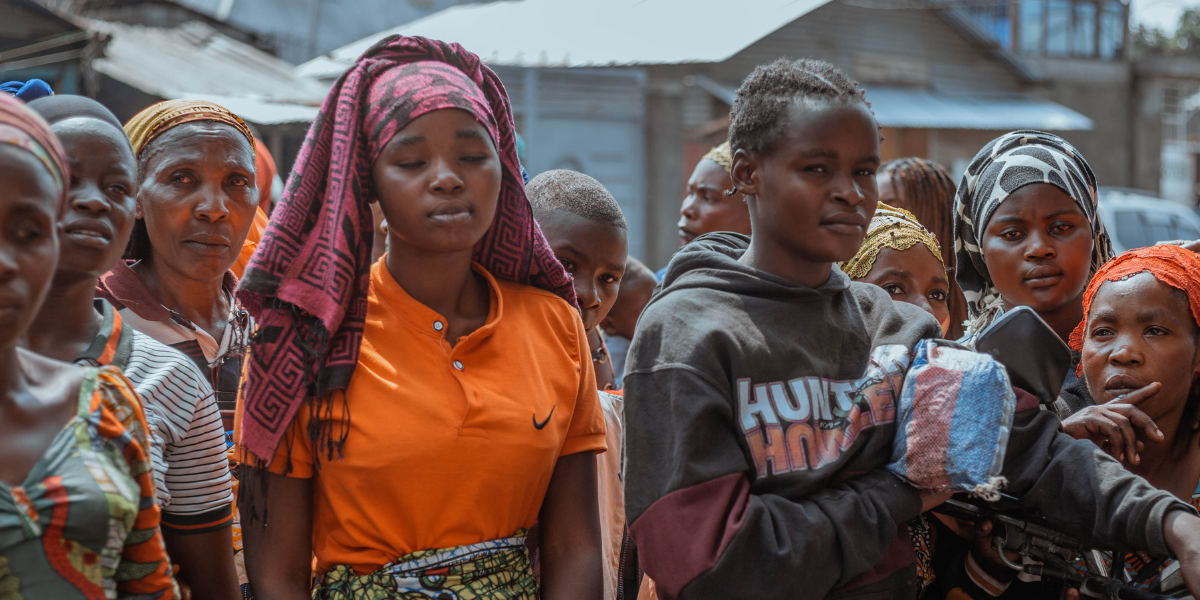
Since early 2025, relentless conflict, armed robberies, mass displacement, and widespread violations of human rights have torn through communities, particularly in North and South Kivu, leaving devastation in their wake. Entire neighborhoods have emptied out as families seek safety across borders or in displacement sites. With displacement comes extreme poverty and lack of access to safe shelter, enough food, medicine, education, and more.
Church leaders, including pastors and missionaries, have endured threats, persecution, and displacement, often without access to basic resources. Health facilities are overwhelmed and understocked. Many people are traumatized, especially women and children, after surviving direct attacks or losing loved ones. Christian communities have been deeply shaken, with spiritual life interrupted and places of worship emptied. And still, the church remained, standing in solidarity with its members, even as buildings emptied and villages were overrun.
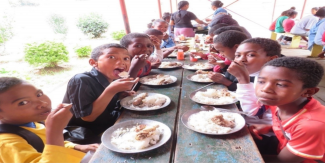
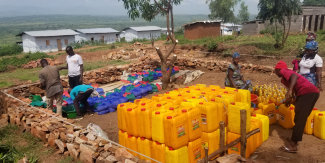
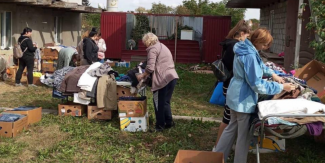
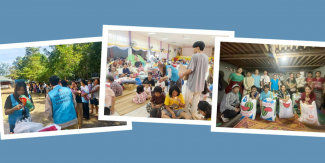
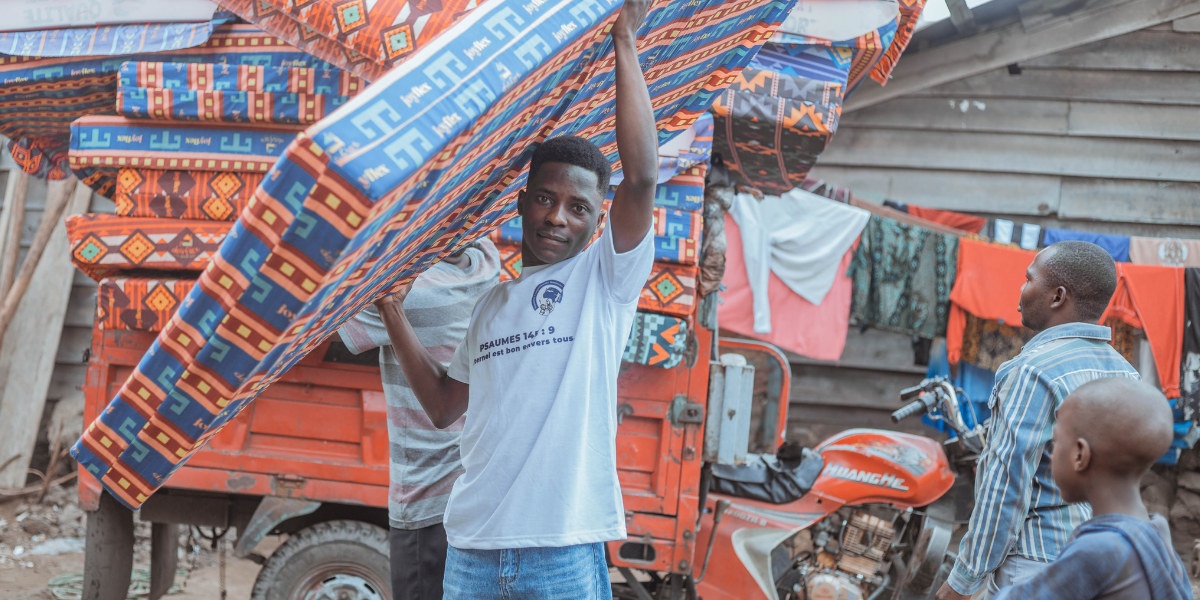
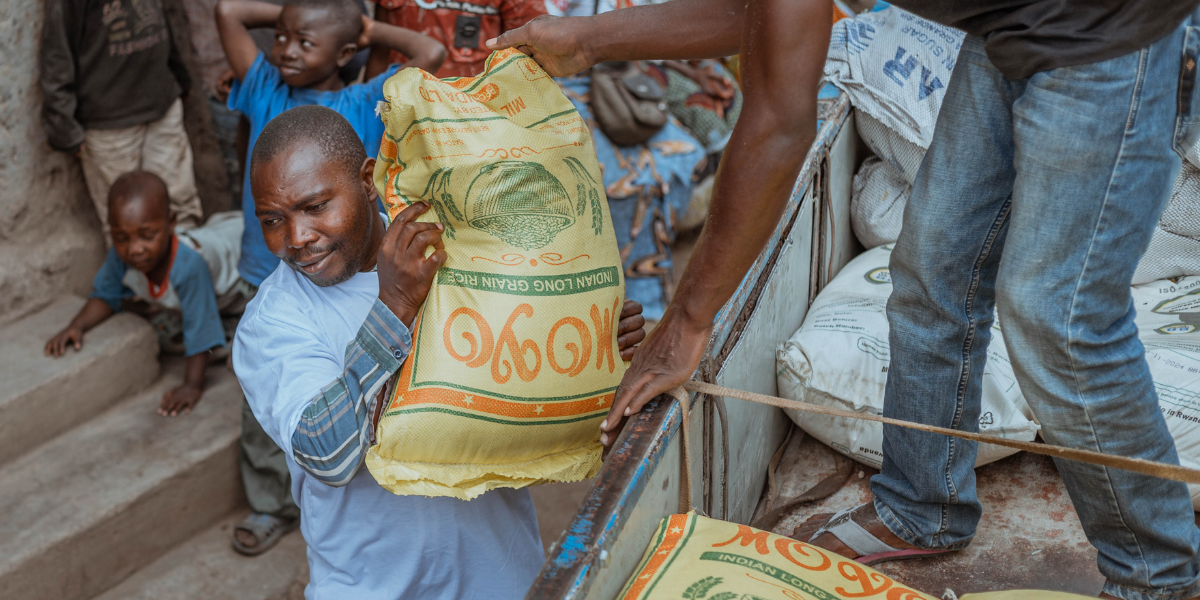
In partnership with Nazarene Compassionate Ministries, in January of 2025, local churches began supplying food staples like rice, beans, maize flour, oil, and salt—basic ingredients that helped families prepare their first hot meal in days. Families received blankets, mattresses, tarps, pots, and clothing alongside food. Special protection kits were delivered to mothers with newborns, providing critical support in highly vulnerable conditions.
“My child and I went days without food and slept in terrible conditions,” explained Natalie, a new mother forced to flee her home. “Today, we received two weeks of food and a protection kit. We are so thankful to God and the Church of the Nazarene.”
As the situation began to stabilize, local leaders understood that short-term aid would not be enough.
People longed to return home but found their communities in ruins and their livelihoods destroyed. In response, churches worked with NCM to launch social reintegration programs across the region. Individuals received farming tools, seeds, and financial literacy training, along with small cash grants to help launch businesses.
“We were wondering how to return to our villages,” said Mr. Nzabonimpa of Virunga. “Now, with tools, seeds, and financial training, we can farm again and start small businesses.”
Trauma—especially among women and church leaders—has remained a deep wound. In response, churches have launched mental health care and trauma healing programs. Pastors who were physically wounded during the violence began receiving ongoing care, and a new Training of Trainers initiative in trauma therapy is preparing local church leaders to walk alongside others in healing.
“Life has been unbearable,” said Pastor Edson. “The tools and seeds we received allow us to farm again and slowly reintegrate. I am deeply grateful for this support; it gives me hope for the future.”
In a region marked by instability and suffering, the Church of the Nazarene has remained present, offering not only physical resources but also emotional and spiritual care. With courage and compassion, churches have opened their doors and hearts, reminding communities that they are not alone. Hope—like light in the darkness—is taking root once again.
This story adapted from the latest issue of NCM Magazine—click here to read more stories of compassion.
Most Popular Blogs